
BuildSubsystem planning activeBaekho Racing
NEST Frontier / Founding Release
NEST Frontier opens a new NEST era for engineering, research, and public creation. NEST: Hatch a City, District Zero, and NEST Journal are the first public fronts of that build.
Frontier release / Hatch a City / District Zero / Issue 01
Frontier Modes
Start with the mode of work you care about, then move into the program, archive, or proof object behind it.
Build
Baekho Racing
Opening front / NEST Frontier
Baekho is the most direct proof object on the site: subsystem planning, chassis structure, and performance-oriented engineering work tied to a real machine.
Baekho Racing
An interactive look at the structural core of the Baekho Racing car. Rotate the frame, inspect the geometry, and use the chassis as direct proof that the team is building something real.
The rebrand launches a new institutional phase built around public work, visible systems, and named programs.
NEST: Hatch a City is the lead public opening of the new cycle, with applications closing April 18.
Season One begins as a civic build program connecting student teams to real sites, partners, and implementation constraints.
NEST Journal Issue 01 is the first public record of the new era, with the cover and download now visible on site.
Baekho Racing continues as the machine-proof object of the institution, with subsystem planning active in public.
Frontier Statement
NEST Frontier opens a new phase built around one problem: too much student work dies at the idea stage. NEST organizes it into programs, teams, publications, and public outputs that can continue and be seen.
Programs
Real programs that move work beyond concept boards and into technical, public, and operational reality.
Explore programsResearch & Publishing
Research expected to be legible, rigorous, and durable enough to leave behind a record others can continue.
Read publicationsFlagship Teams
Long-term systems work organized into clear teams, technical ownership, and visible public evidence.
See the teamNEST, Reconfigured
NEST Frontier is not a cosmetic refresh. It changes how work is organized and what the public is being asked to enter.
Before
Club-led activity and isolated projects.
Institution-led programs and durable public outputs.
Direction
Internal participation and one-cycle visibility.
Public-facing systems, applications, and issue structure.
Ambition
Events and ideas in parallel.
Competition, civic build, publication, and performance engineering in one architecture.
Operating Structure
The rebrand changes how work is organized. Programs, publication, civic initiatives, and teams now sit inside one system.
System root
NEST FrontierPublication
Issue structure, editorial review, and public record.
Civic Championship
District founding, public mandate, and urban systems.
Civic Build
Sites, partners, interventions, and implementation constraints.
Performance Engineering
Machine logic, subsystem ownership, and visible build proof.
The Three Openings
NEST Frontier is being introduced through three public fronts: a civic championship, a build program, and a research journal.
District Zero
District Zero moves engineering beyond concept boards and into deployed reality, where design has to survive contact with people, budgets, maintenance, and use.
See the program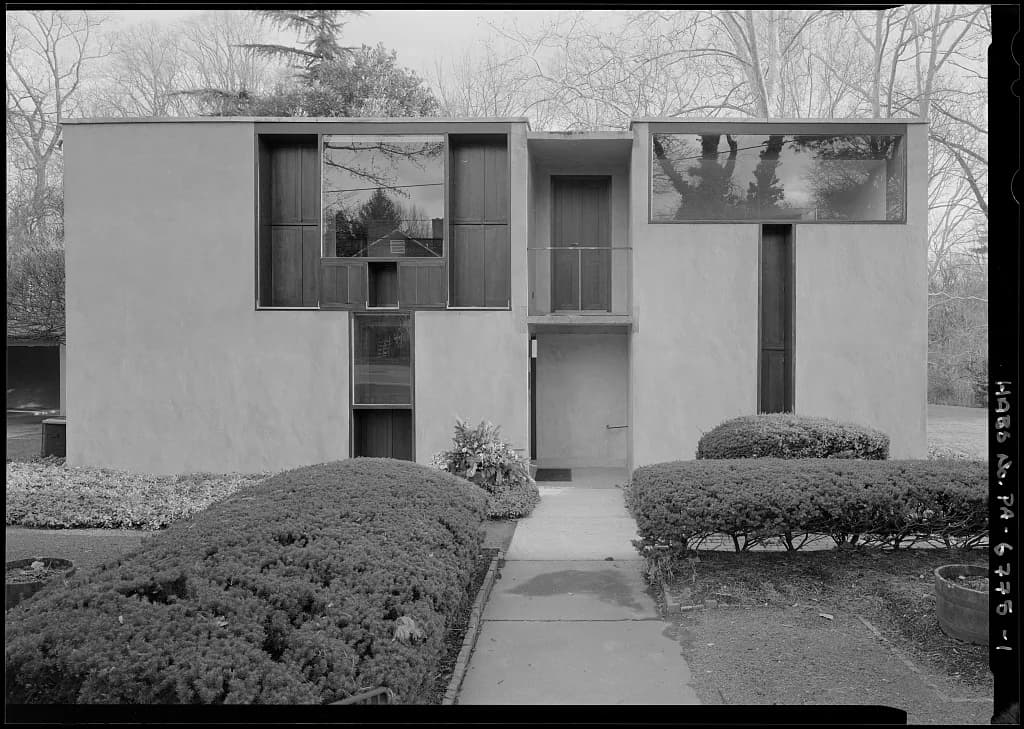
NEST: Hatch a City
NEST: Hatch a City introduces Qing Lan as a playable future city. Teams build districts, institutions, systems, and exhibition artifacts, then defend them in public as real proposals for urban life.
See the hackathon
Baekho Racing
The work spans powertrain, chassis, controls, design integration, testing, and documentation. It is not treated as a display object. It is treated as a machine that must justify itself through performance.
Explore the teamNEST Publications
NEST Publications gives the rebrand a durable record. Issue 01 establishes the first editorial spine for research, systems notes, and public-facing technical work.
Read the journal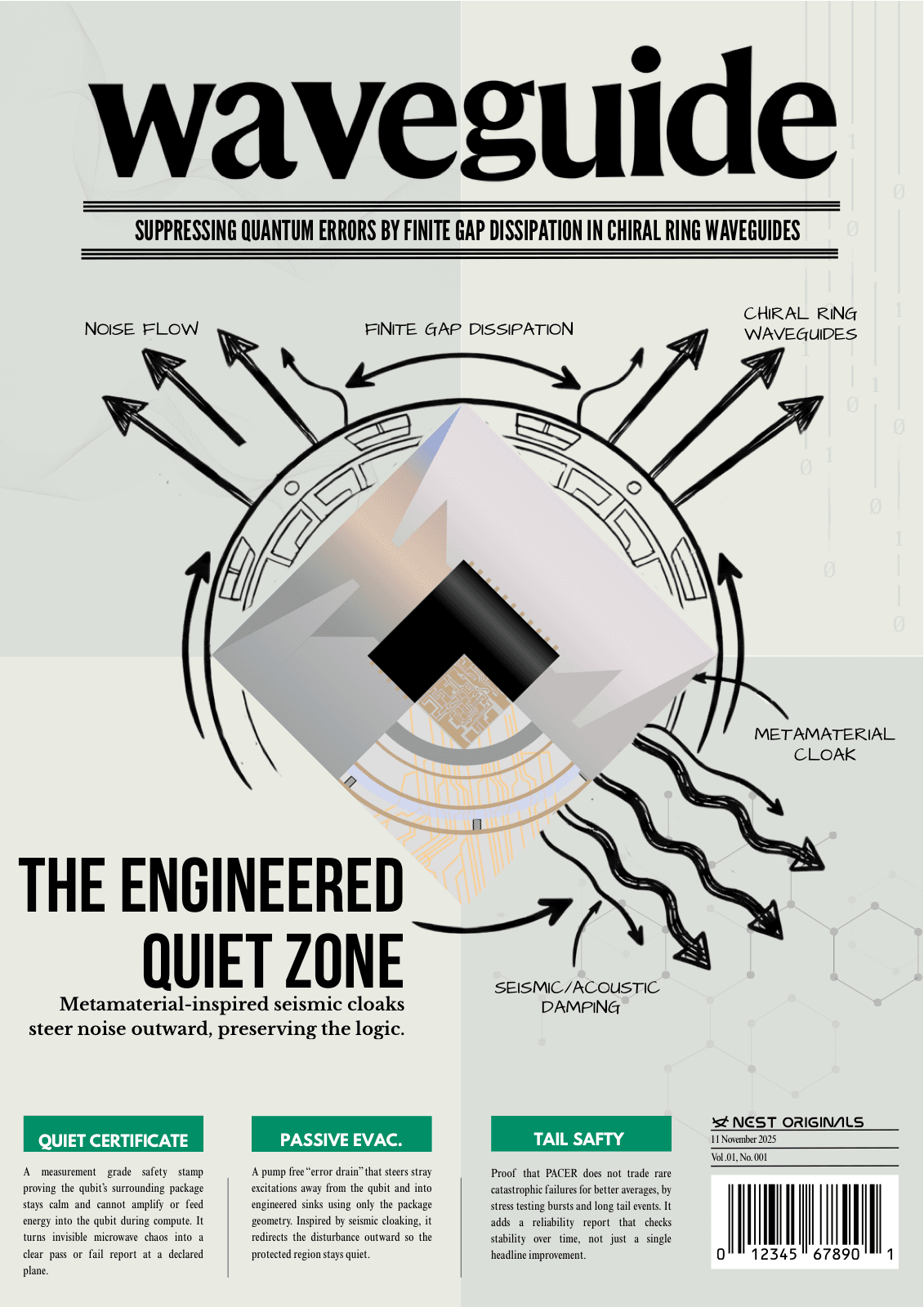
Founding issue focused on research, systems notes, and public-facing technical work.
District Zero
District Zero should read as a network of sites, partners, and outputs. Select a node to see how the program moves through public conditions.
Public-facing test location
A first real location where student teams can test a spatial intervention against users, materials, and maintenance constraints.
Current Frontier
NEST Frontier is operating in public through applications, program formation, and editorial work. This section tracks the opening cycle.
NEST: Hatch a City has moved into public intake, with rules, submission flow, and district-building logic now live on site.
Qing Lan live / submission portal open
Baekho is moving through the engineering decisions that turn a student vehicle from concept into a credible machine.
District Zero is opening as a public invention program connecting student teams to real sites, users, and implementation constraints.
The journal is assembling its first issue and establishing the public record of the rebrand.
Frontier Doctrine
NEST exists to keep ambitious student work from disappearing after the deadline, competition, or semester. Engineering should be visible, research should be publishable, and student organizations should be capable of building systems that last.
Research, making, and public documentation belong to the same institutional logic.
Manifesto
NEST is built for students who want work that can withstand scrutiny, not just attention. We care less about looking ambitious than making ambition operational.
What We Value
We value rigor over noise, clarity over performance, and durable systems over temporary hype.
Frontier Backing
Frontier Entry
For Students
Apply to the hackathon, join a serious build environment, or move work into a structure that expects follow-through.
Apply nowFor Mentors
Support programs through critique, review, and technical discipline rather than casual one-off advice.
Contact NESTFor Sponsors
Back visible student work with actual execution behind it, from technical builds and event infrastructure to editorial platforms.
View support routesFor Schools & Institutions
Work with a student-led institution that can support programs, publications, and public-facing initiatives with more structure.
Read the model